
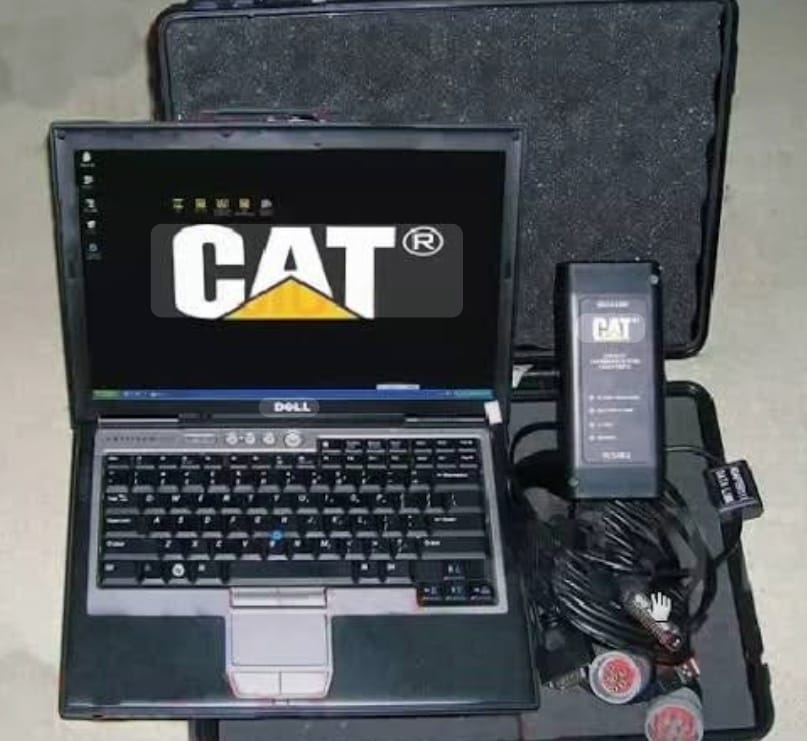
Diesel injection systems have evolved dramatically over the past decade, becoming more precise and sophisticated. As a result, diagnosing faults in fuel injection pumps has become more challenging, which led to the development of advanced diagnostic tools powered by modern technology.
1- High-precision sensors for accurate measurements
Modern diagnostic devices rely on cutting-edge sensors capable of measuring:
Injection pressure with micro-level accuracy
Fuel delivery volume per pulse
Pump vibrations and noise patterns
Operating temperature
This level of precision was impossible with traditional manual methods.
2- Artificial Intelligence and data analytics
Many modern testers now integrate AI algorithms that can:
Identify the exact type of fault
Predict future pump failures
Compare pump performance with OEM specifications
Provide fast and reliable diagnostic results
This significantly reduces errors and improves maintenance quality.
3- Connectivity: PC, Mobile, and Cloud
Most new diagnostic tools support:
USB
Bluetooth
Wi-Fi
This allows technicians to:
Display real-time pump data on a PC or tablet
Save and export diagnostic reports
Share results with customers or manufacturers
Update the device firmware online
4- Simulation Technology
Advanced devices can now simulate real engine conditions, including:
Low/High pressure scenarios
Different fuel viscosities
Extreme temperature conditions
This helps reveal hidden faults that do not appear in traditional bench tests.
5- Faster diagnostics and higher efficiency
Thanks to modern technology:
Diagnostic time is reduced by up to 60%
Repair accuracy is improved
Hidden or intermittent faults are easier to detect
Conclusion
Technology has completely transformed diesel pump diagnostics. It has made the process faster, more accurate, and more professional, ensuring better pump performance and longer engine life.